Advantages of Metal Rocket Stoves
Published on March 3, 2026 by SGE Fabs
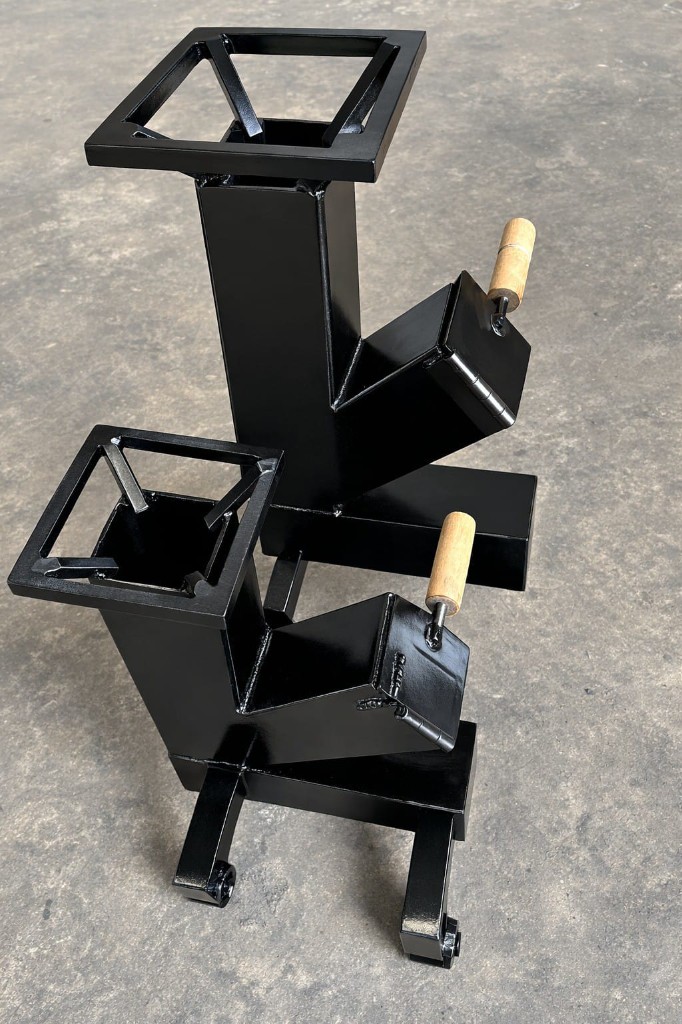
Rocket stoves have been built from many materials over the years: mud and clay, bricks, thin sheet metal, cast iron and fabricated steel. Each material has trade-offs, but in our experience manufacturing and selling hundreds of stoves at SGE Fabs, heavy-gauge fabricated steel delivers the best combination of performance, durability and value.
Here is an honest breakdown of why metal wins, and what the alternatives get wrong.
Clay and Brick Rocket Stoves
Clay and brick are the traditional materials for rocket stoves in rural India. They are cheap and locally available. But they have serious drawbacks:
- Cracking: Thermal cycling (heating up and cooling down daily) causes clay to crack over weeks or months. Once cracks form, the insulation fails and efficiency drops.
- Fragility: A clay stove cannot be moved once built. Drop it and it shatters. This makes it useless for catering, camping or any application that needs portability.
- Moisture damage: Clay absorbs moisture. In humid climates or monsoon season, clay stoves deteriorate quickly.
- Inconsistent build: Every clay stove is hand-shaped, so dimensions vary. This means airflow and combustion performance vary too.
Thin Sheet Metal Stoves
The online marketplaces are full of cheap rocket stoves made from thin sheet metal, often 20 or 22 gauge. They look like rocket stoves. They work like rocket stoves. For about 3 months. Then:
- Warping: Thin metal cannot handle the thermal stress of 600+ degree combustion temperatures. The combustion chamber distorts, changing the geometry and ruining the airflow dynamics.
- Rust-through: Thin metal oxidises quickly at high temperatures. Pinholes form in the combustion chamber within months, letting air leak in at the wrong points.
- Structural failure: The joints on thin sheet metal stoves are often spot-welded or crimped rather than properly welded. These joints fail under thermal cycling.
We have had customers come to us after burning through two or three cheap sheet metal stoves in a year. The money they spent on replacements was more than the cost of one SGE Fabs stove.
Heavy-Gauge Fabricated Steel: The SGE Fabs Approach
Our stoves use heavy-gauge MS steel, cut to precise dimensions and joined with industrial MIG welding. Here is why this matters:
- No warping: The thicker steel handles thermal expansion and contraction without distorting. The combustion chamber maintains its geometry year after year.
- No rust-through: The steel thickness provides a substantial buffer against oxidation. The stove does not develop pinholes or weak spots.
- Strong joints: MIG-welded joints are as strong as the base metal. They do not crack, pop or separate under thermal stress.
- Portability: Despite being heavy-duty, a fabricated steel stove is portable. Caterers transport them to event sites. Camping enthusiasts load them into vehicles. You cannot do this with a clay or brick stove.
- Consistent quality: Every stove is cut and welded to the same specifications. Combustion chamber dimensions, air intake positioning and burn tunnel geometry are identical from stove to stove.
The Cost Argument
A clay stove costs almost nothing. A cheap sheet metal stove costs Rs 800 to Rs 1,500. An SGE Fabs fabricated steel stove costs Rs 2,750 (5 kg) or Rs 6,500 (15 kg). The upfront cost is higher, but the total cost of ownership is lower because you are not replacing the stove every few months.
A hotel owner in Tirupur told us he went through four cheap metal stoves in one year (total spent: about Rs 5,000) before buying an SGE Fabs stove. That SGE stove has been running daily for over two years with no issues. The math speaks for itself.
Frequently Asked Questions
Is a metal rocket stove better than a clay one?
Yes. Metal rocket stoves made from heavy-gauge steel are far more durable, handle higher temperatures without cracking, are portable, and last years longer than clay or brick alternatives.
What metal is best for a rocket stove?
Heavy-gauge MS (mild steel) is the best material for rocket stoves. It handles extreme heat without warping, is cost-effective, and can be precisely fabricated with industrial welding for airtight joints.
How long does a metal rocket stove last?
An SGE Fabs heavy-gauge fabricated steel rocket stove lasts 3 to 5 years or more of daily commercial use. With household use, it can last much longer.
Order Your Rocket Stove from SGE Fabs
Manufactured in Coimbatore, delivered across India. Contact us for pricing and bulk orders.